

Registering a car in California is a crucial step for any new or existing vehicle owner. It’s not just about legal compliance; it ensures your investment is protected and allows you to legally drive on public roads. However, navigating the process can be confusing due to stringent state regulations and varying local requirements. This article serves as your authoritative guide, walking you through every step, from gathering necessary documents to completing the DMV VIN verification process, ensuring a smooth registration experience in The Golden State.
- Prepare Necessary Documents for Car Registration
- Visit Your Local California DMV Office or Use Online Services
- Complete Vehicle Identification Number (VIN) Verification
- Pay Registration Fees and Obtain Your License Plate
- Ensure Ongoing Maintenance and Compliance with California Laws
Prepare Necessary Documents for Car Registration

To register a car in California, preparing the necessary documents is a critical first step. Among these, the Vehicle Identification Number (VIN) verification stands out as an essential component of the process. This involves ensuring the VIN on your vehicle matches the records held by the California Department of Motor Vehicles (DMV). A mobile VIN verifier or inspection service can significantly streamline this process, allowing you to conduct the verification conveniently and efficiently.
One practical approach is to utilize a mobile VIN verification service. These services employ specialized technology to cross-reference your vehicle’s VIN with the DMV’s database, providing instant validation. For instance, many of these services offer real-time results, eliminating the need for lengthy waits or visits to the DMV. Furthermore, some providers offer additional benefits like digital document storage and reminders for future registration renewals, making the entire process more manageable.
When preparing your documents, it’s crucial to have accurate and up-to-date information. In addition to the VIN verification, you’ll need to gather items such as proof of insurance, vehicle ownership transfer documents, and payment for registration fees. For instance, if you’re transferring ownership, you’ll require a signed Bill of Sale from the previous owner. It’s recommended to check the DMV’s website or contact them directly for a comprehensive list of required documents, ensuring you have everything needed before initiating the registration process.
Visit Your Local California DMV Office or Use Online Services

Registering a car in California involves several steps, and one of the most efficient methods is by visiting your local California DMV (Department of Motor Vehicles) office or utilizing their online services. The process streamlines vehicle registration, ensuring that all necessary procedures are completed accurately and timely. When you visit the DMV, be prepared to present essential documents, including proof of ownership, a valid driver’s license, and current insurance cards.
The California DMV offers both in-person and mobile vin verification options. For a quick and convenient alternative, many counties provide mobile vin inspection services. This allows individuals to verify their vehicle’s history, identify potential issues, and ensure the car meets all safety standards required for registration. By utilizing these advanced services, you can save time and gain peace of mind before committing to the registration process. Online services are another beneficial tool, enabling you to submit applications, pay fees, and track your progress digitally.
For out-of-state vehicles or those with unique circumstances, the DMV provides specialized forms and assistance. It’s crucial to review the requirements thoroughly and gather all necessary documents before visiting the office or starting the online process. Additionally, keeping accurate records of your vehicle’s history, maintenance, and inspections (like a mobile vin inspection) can facilitate a smooth registration experience.
Complete Vehicle Identification Number (VIN) Verification

Registering a car in California involves several crucial steps, one of which is completing the Vehicle Identification Number (VIN) verification process. This step ensures that your vehicle’s details match the information on record and helps prevent fraud. The California Department of Motor Vehicles (DMV) requires a VIN inspection to verify the authenticity of your car’s identifying number. This can be done through traditional methods like visiting a DMV office or by utilizing mobile VIN verification services for added convenience.
For instance, many mobile VIN inspection apps offer quick and accurate checks, allowing you to perform the verification from the comfort of your home or on-the-go. These services often require you to input your VIN and provide access to relevant documents, such as registration papers or insurance cards. Once submitted, the app will cross-reference this information with the DMV’s database, displaying a comprehensive report that includes vehicle history, ownership details, and any recorded incidents related to the VIN. This technology streamlines the process, making it more efficient and accessible for California residents.
However, it’s essential to approach mobile VIN verification with caution, as not all apps are reliable or secure. Always opt for reputable services backed by industry experts or trusted third-party providers. Additionally, when conducting a traditional DMV VIN inspection, ensure that you have all the necessary documents, including proof of ownership and any required fees, to avoid delays. By carefully following these steps and utilizing available resources, individuals can successfully complete the VIN verification process, paving the way for a seamless car registration experience in California.
Pay Registration Fees and Obtain Your License Plate
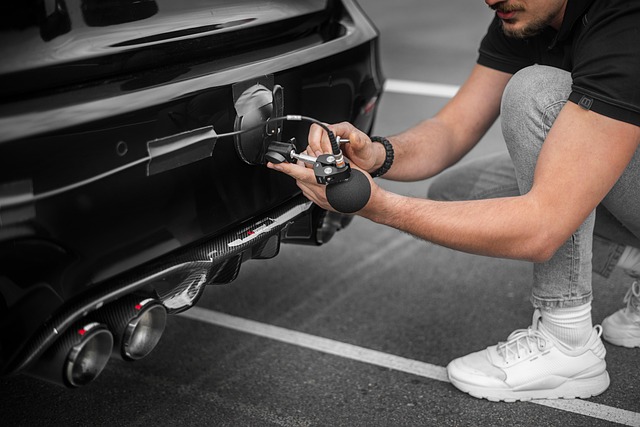
To complete the registration process for your vehicle in California, you’ll need to pay the required registration fees and obtain your license plate. The California Department of Motor Vehicles (DMV) offers several convenient options for this step, ensuring a smooth transition from ownership to officially licensed driver. One efficient method involves utilizing the DMV’s mobile vin inspection or verification services, which can be particularly beneficial if you’re busy or prefer a hassle-free experience. These mobile solutions allow you to verify your Vehicle Identification Number (VIN) without visiting a physical location.
The registration fees in California vary based on several factors, including the type of vehicle and its age. For example, lighter vehicles like cars and motorcycles typically have lower fees than larger vehicles such as trucks or SUVs. As of recent data, the average cost for registering a typical car ranges from $50 to $100, depending on emissions standards met. Once your registration fee is paid, the DMV will issue you a license plate, which must be securely mounted on your vehicle. It’s crucial to ensure the placement adheres to state regulations and that the plates are legible for easy identification.
When utilizing a mobile vin verifier, the process is straightforward. You simply provide your VIN, often through an app or online platform, and the service checks the vehicle’s history against DMV records, including any outstanding issues or required inspections. This step is particularly important to ensure you’re in compliance with California’s vehicle regulations before receiving official registration and licensing. By combining the payment of registration fees and obtaining license plates with these modern verification methods, you can efficiently navigate the car registration process in California.
Ensure Ongoing Maintenance and Compliance with California Laws

Ensuring ongoing maintenance and compliance with California laws is a critical aspect of car registration that cannot be overlooked. The process begins with proper vehicle inspection, which includes a DMV VIN verification to ensure the vehicle’s identity and history are accurate. This step is crucial as it helps detect any potential issues or discrepancies that could lead to legal complications down the line. A mobile VIN inspection or verification service can significantly simplify this process by providing on-site assessments, saving time and effort for both owners and DMV staff.
California has strict regulations regarding vehicle maintenance, including regular emissions tests and safety inspections. To maintain compliance, car owners must schedule these checks at authorized facilities and ensure any necessary repairs are made promptly. Failure to do so can result in fines, registration delays, or even vehicle impoundment. For example, data from the California DMV shows that a significant number of registration renewals are denied each year due to outstanding safety violations, emphasizing the importance of adhering to these maintenance requirements.
Proactive compliance involves staying informed about changing regulations and utilizing available resources. The California DMV offers comprehensive guides and online tools for VIN inspection, making it easier for owners to stay on top of their vehicle’s documentation. Regular mobile VIN verification or inspections can also help identify potential issues early on, allowing for corrective actions before they become more serious. By embracing these practices, car owners not only ensure ongoing compliance but also contribute to the overall safety and integrity of California’s road network.
Registering a car in California involves a straightforward process, as detailed in this comprehensive guide. Key takeaways include preparing essential documents, visiting or utilizing online services at your local DMV, completing a crucial dmv VIN verification step, paying fees, and obtaining license plates. Ongoing maintenance and adherence to state laws are paramount. By following these steps, you ensure your vehicle’s compliance, facilitating a seamless registration experience. This guide provides readers with the knowledge needed to navigate California’s car registration process confidently and efficiently.