
Looking to register your car in California? This comprehensive guide walks you through the entire process, from understanding eligibility requirements to completing the DMV’s crucial VIN verification. Gather essential documents, perform the check efficiently, and choose between online or in-person registration. Once approved, pay fees and obtain your new California license plates. Simplify car registration with these clear steps, ensuring a smooth and hassle-free experience.
- Understand Eligibility Requirements for Car Registration in California
- Gather Necessary Documents for VIN Verification
- Perform DMV Vehicle Identification Number (VIN) Check
- Complete Online or In-Person Registration Process
- Pay California Car Registration Fees and Obtain Plates
Understand Eligibility Requirements for Car Registration in California

Before you start the registration process, it’s crucial to understand the eligibility requirements for car registration in California. To register your vehicle, you must first establish residency within the state, as proof of California residency is a fundamental condition. Additionally, your vehicle must pass a safety inspection and meet all emissions standards set by the state. One key aspect of this process involves the Department of Motor Vehicles (DMV) performing a Vehicle Identification Number (VIN) verification to ensure the car’s history aligns with its age and intended use. This is where a mobile VIN verifier can come in handy, offering convenient and accurate vin inspection services.
By ensuring your vehicle passes all necessary checks, including a thorough dmv vin verification, you’ll be well on your way to securing a valid California registration. Remember, the state prioritizes safety and compliance, making these steps essential for responsible vehicle ownership.
Gather Necessary Documents for VIN Verification

Before registering your car in California, you’ll need to gather several essential documents for the DMV VIN verification process. The most crucial document is the Vehicle Identification Number (VIN) report, which can be obtained through a mobile vin verifier or by visiting a designated inspection station. This report confirms the vehicle’s history and ensures it meets all necessary standards.
Additionally, you’ll require proof of insurance, a completed California Registration Application form, and a valid driver’s license. It’s also recommended to bring along any existing registration documents or titles for previous owners to streamline the verification process. For those opting for a mobile vin inspection, ensure these documents are readily available on your phone or in printed form to facilitate a smooth transaction at the DMV.
Perform DMV Vehicle Identification Number (VIN) Check

Before registering your car in California, it’s crucial to perform a DMV Vehicle Identification Number (VIN) check. This step is essential for ensuring that the vehicle you’re planning to register is genuine and has not been reported as stolen or had its identity altered. The California Department of Motor Vehicles (DMV) provides several methods for this verification, including an online tool and in-person visits.
One convenient option is to utilize a mobile vin verifier or conduct a vin inspection using a third-party service. These services offer quick and accurate checks by scanning the VIN, providing you with detailed information about the vehicle’s history in just minutes. This step saves time and effort compared to traditional methods, especially for those who may not have easy access to DMV facilities. Remember that a valid and accurate VIN is a critical component of the registration process, so ensuring it’s checked thoroughly can help prevent future issues.
Complete Online or In-Person Registration Process
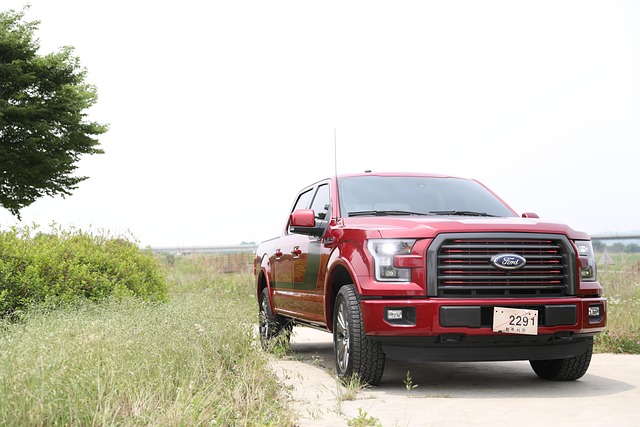
Registering a car in California can be efficiently completed through either an online or in-person process. For those who prefer convenience, the online registration option allows drivers to submit their application and necessary documents digitally. This method includes a DMV (Department of Motor Vehicles) vin verification, ensuring that your vehicle’s unique identification number (VIN) is accurate and associated with your details.
Alternatively, visiting a local DMV office provides a more direct approach. In-person registration involves a thorough vin inspection, where an agent checks the VIN and cross-references it with their records. This traditional method may take longer but offers immediate feedback and the opportunity to rectify any issues during the registration process.
Pay California Car Registration Fees and Obtain Plates

After completing your California car purchase and ensuring all necessary paperwork is in order, the next step is to pay the registration fees and obtain license plates. This process typically involves visiting a local Department of Motor Vehicles (DMV) office or utilizing their online services. One crucial aspect before heading to the DMV is to conduct a DMV VIN verification using your vehicle’s unique Vehicle Identification Number (VIN). This inspection ensures the car’s history is clean and helps prevent odometer rollbacks, which are illegal in California.
You can pay for registration fees online or in person at the DMV. Be prepared with valid identification, proof of insurance, and the required documentation. Once your application is approved, you will receive your California license plates, which should be displayed on your vehicle for legal driving. For convenience, some services offer mobile VIN inspection and verification, allowing you to complete this step from the comfort of your home or office.
Registering a car in California is a straightforward process, but understanding the eligibility requirements and gathering the necessary documents are key. By performing a DMV VIN verification, ensuring all paperwork is in order, and either completing the registration online or in-person, you can efficiently get your vehicle on California’s roads. Remember to pay the required fees and obtain license plates to legally operate your car within the state.