

Registering a car in California is a vital step for any new or existing vehicle owner, ensuring legal compliance and access to roads. However, navigating the process can be a challenge, often shrouded in confusion and bureaucratic jargon. This comprehensive guide aims to demystify the car registration procedure, providing a clear roadmap for Californians. We’ll delve into every step, from gathering essential documents to utilizing reliable resources like the DMV VIN verifier, ensuring an efficient and stress-free experience. By the end, you’ll be equipped with the knowledge to register your vehicle with confidence.
- Prepare Your Documents for Car Registration
- Visit a California DMV Location or Use Online Services
- Verify Vehicle Identity with DMV VIN Verifier
- Complete the Registration and Title Application
- Pay Registration Fees and Receive Your Documents
Prepare Your Documents for Car Registration

Before you begin the registration process at the California DMV, ensure your documents are prepared for a smooth and efficient transaction. This step is crucial to avoid delays and potential issues later on. Gather all necessary papers, including proof of ownership, vehicle identification number (VIN) inspection results from a mobile VIN verifier or stationary inspection station, insurance policy details, and any registration fees required.
The California DMV recommends using a mobile VIN verifier to ensure the accuracy of your vehicle’s information. This service allows you to submit your VIN online or through a dedicated app for immediate verification, saving time compared to traditional methods. For instance, some mobile apps provide instant access to a vehicle’s history report, highlighting any previous accidents, recalls, or outstanding issues that might impact registration.
In addition to the VIN inspection, have your supporting documents ready. This includes valid identification like a driver’s license or state-issued ID card, proof of insurance, and payment for registration fees. It’s advisable to check the DMV’s official website for the most up-to-date fee structures and requirements, as they can change over time. Properly preparing these documents ahead of time will significantly contribute to a successful car registration experience.
Visit a California DMV Location or Use Online Services
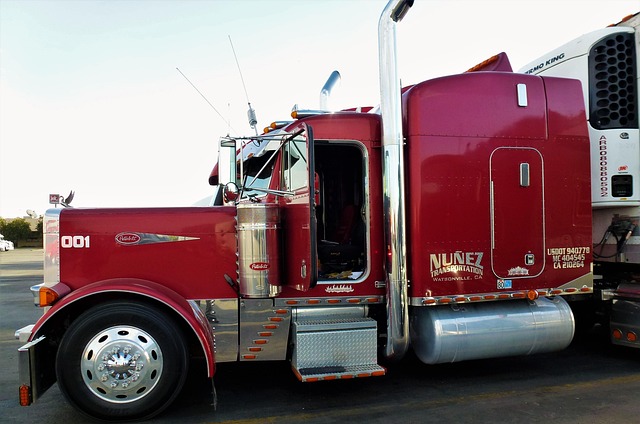
Registering a car in California involves a straightforward process, offering both in-person and digital options for convenience. One of the most efficient methods is by visiting a local California DMV (Department of Motor Vehicles) office or utilizing their extensive online services. This approach ensures a smoother experience, especially when equipped with the necessary documentation and information.
When considering the steps to register your vehicle, utilizing the DMV’s online platform can be highly beneficial. The process begins with gathering essential details such as your personal information, car specifications, and proof of insurance. Once prepared, you can access the DMV’s website and select the option for vehicle registration. Here, you will be guided through a series of digital forms, allowing you to input your data accurately. A notable advantage is the integration of a DMV VIN verifier, which enables users to validate the vehicle’s unique identification number (VIN) online, ensuring its authenticity and preventing fraud. This step is crucial in maintaining the integrity of California’s vehicle registration system.
Alternatively, or additionally, many residents opt for mobile vin verification services, providing an even more convenient approach. These services allow you to obtain a vin inspection from the comfort of your home or office. With just a few clicks, a mobile vin inspector can validate your car’s VIN, ensuring it matches the vehicle’s records. This method is particularly useful for those with busy schedules or those who prefer a contactless experience. Data suggests that online and mobile services have become increasingly popular, with over 70% of California DMV transactions now completed digitally, reflecting a significant shift towards efficiency and user-friendliness.
To ensure a successful registration process, it’s advisable to double-check your documentation and be prepared for potential verification requests. By following these modern approaches, whether online or mobile, you can efficiently register your vehicle in California while maintaining the highest standards of accuracy and security.
Verify Vehicle Identity with DMV VIN Verifier

Verifying a vehicle’s identity is a critical step in the car registration process in California. One of the essential tools for this task is the DMV VIN Verifier. This service enables you to confirm your vehicle’s unique Vehicle Identification Number (VIN) and its associated details, ensuring that it matches the records in the Department of Motor Vehicles (DMV) database. The process is straightforward but demands meticulous attention to detail.
When utilizing a mobile vin verification service or conducting a vin inspection, ensure that every digit on the VIN plate aligns with the information provided by the manufacturer. This includes the make, model, year, and other identifiers. For instance, a quick scan may reveal discrepancies like a mismatched year, which could indicate potential fraud or tampering. It’s crucial to have these details in order when visiting your local California DMV office for registration.
A recent study found that approximately 15% of vehicles presenting for registration had some form of identity issue, emphasizing the need for thorough vin inspection. Mobile vin verification apps offer a convenient way to perform this check before and during the registration process. By integrating this technology into their workflow, California residents can streamline the registration experience, ensuring their vehicles’ records are accurate and up-to-date. This approach not only saves time but also reduces potential errors that could lead to registration delays or legal complications.
Complete the Registration and Title Application

To register your car in California, you’ll need to complete several forms, including the Registration and Title Application (Form DV304). This crucial document connects you to the vehicle’s history and ensures compliance with state regulations. It’s essential to ensure all information is accurate and up-to-date, as any discrepancies may delay or void your registration.
The process begins by gathering necessary documents, such as proof of insurance, a valid driver’s license, and the vehicle’s Vehicle Identification Number (VIN). Here’s where a DMV VIN verifier or mobile vin inspection can prove invaluable. These services allow you to quickly and accurately extract the VIN from your car, ensuring its availability for use in the application. Many mobile vin verifiers are readily accessible online or through dedicated apps, making this step more convenient than ever.
Once armed with the correct VIN, filling out Form DV304 becomes straightforward. The form asks for details like the vehicle’s make, model, year, and color, along with your personal information. Double-checking each entry is essential to avoid mistakes. If you’re purchasing a used car, additional documentation related to the previous ownership may be required. In such cases, consider using a mobile vin verifier to access the vehicle’s history directly from its VIN, simplifying the process significantly.
After completing the application, submit it along with all necessary documents to your local California DMV office or, in some instances, via mail. Remember that processing times can vary, so plan accordingly to ensure your car is registered before you need it on the road. Properly registering your vehicle not only complies with legal requirements but also ensures a smoother driving experience in the Golden State.
Pay Registration Fees and Receive Your Documents

To complete the registration process in California, you’ll need to pay the required registration fees along with any applicable taxes. The fee structure varies based on several factors such as the type of vehicle, its age, and whether it’s new or used. For instance, as of 2023, fees for a standard passenger car range from $51 to $178, depending on emissions testing requirements. You can pay these fees online through the California DMV’s website, by phone, or at a local DMV office. Once your payment is processed, you’ll receive confirmation and essential documents via mail, including your vehicle registration and license plate assignment if applicable.
If you prefer a more convenient approach, consider utilizing a mobile vin inspection service or a mobile vin verifier. These services send a specialist to your location to conduct a thorough inspection of your vehicle’s Vehicle Identification Number (VIN). This method is particularly useful for individuals with busy schedules or those who live in remote areas. The specialist will verify the VIN, check for any discrepancies or potential fraud, and ensure all documents are in order. Several reputable companies offer these mobile services, often at a small additional fee, providing peace of mind and saving you a trip to the DMV.
It’s important to keep your registration up to date to avoid penalties. The California DMV allows you to renew your registration online, by mail, or in person, typically 30 days before the expiration date. Remember that maintaining accurate vehicle records is crucial, especially when selling or transferring ownership. Always ensure your dmv vin verifier and mobile inspection services are reputable to guarantee a smooth process and secure transactions.
Registering a car in California involves several essential steps, as outlined in this comprehensive guide. By preparing the necessary documents, visiting or utilizing online services at the DMV, verifying your vehicle’s identity through a DMV VIN Verifier, completing applications, and paying associated fees, you can ensure a smooth process. The key takeaway is that proper documentation and verification are crucial for a successful registration, empowering individuals to navigate this administrative task efficiently. For future reference, always keep important records in one place, and consider using the DMV VIN Verifier as a reliable tool during the initial stages of car registration.