

Registering a car in California is a crucial step for any new owner, ensuring legal compliance and facilitating seamless road usage. However, navigating the process can be a challenge, with various requirements and potential pitfalls. This article serves as your comprehensive guide, offering clear, concise instructions to ensure a smooth registration experience. We’ll walk you through each step, including the essential DMV VIN verification, providing valuable insights to streamline this often complex procedure. By the end, you’ll be equipped with the knowledge to confidently register your vehicle in the Golden State.
- Prepare Necessary Documents for Car Registration
- Visit California DMV: Step-by-Step Guide
- Verify Vehicle Identity: DMV VIN Verification
- Complete Application and Pay Registration Fees
- Receive Your Registration Certificate and License Plate
Prepare Necessary Documents for Car Registration

To register your car in California, you’ll need to gather several essential documents, a process that begins with thorough vehicle preparation. A key step is ensuring accurate Vehicle Identification Number (VIN) verification, which can be accomplished through a DMV VIN verification or alternative methods like a mobile VIN verifier. This step is crucial as it establishes the vehicle’s history and authenticity, helping to prevent fraud.
Start by obtaining a clear, legible copy of your car’s VIN from the driver’s side door jamb or the registration documents provided by the previous owner. Then, cross-reference this number with the vehicle’s title records and other historical data. Some California residents opt for a mobile VIN inspection service, which can be more convenient than visiting a DMV office. These services use advanced technology to validate the VIN against national databases, providing instant results.
Gathering all required documents is an intricate process that involves vehicle-related paperwork like the title certificate (if applicable), proof of insurance, and a completed California Vehicle Registration Application form. Additionally, you’ll need valid identification documents such as a driver’s license or passport. It’s recommended to double-check with your local DMV for specific requirements, as some cases may necessitate additional documents, especially for vehicles over 25 years old or those with modified titles.
Visit California DMV: Step-by-Step Guide
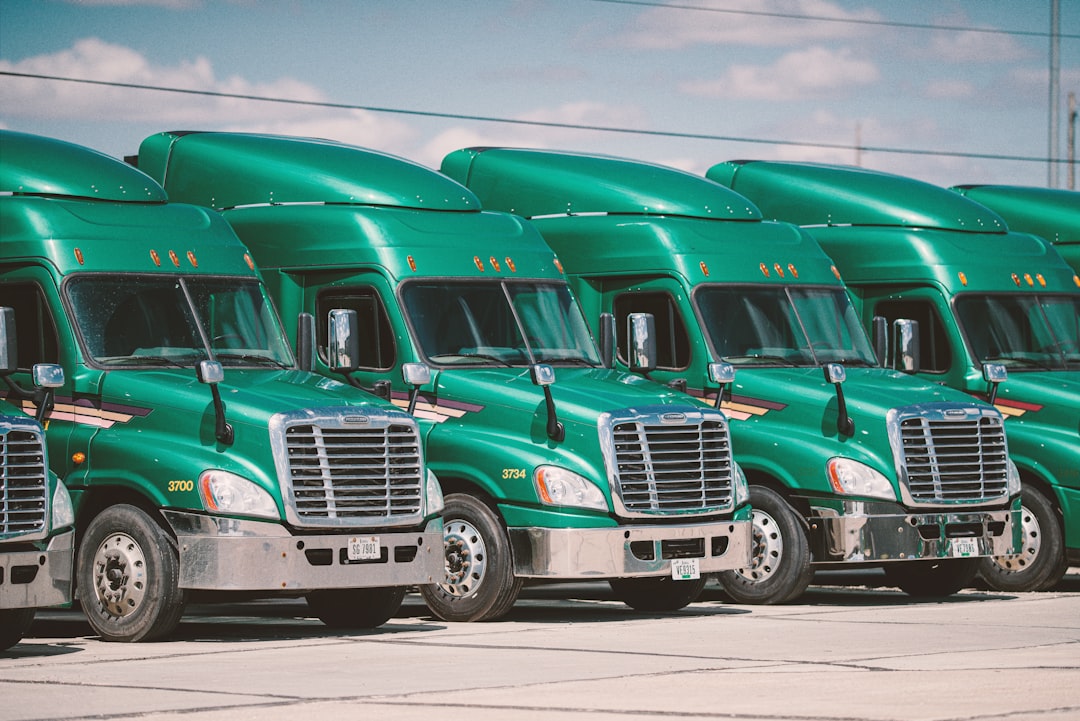
To register your car in California, a crucial step is visiting the California Department of Motor Vehicles (DMV). This process involves several key actions, from preparing necessary documents to undergoing a Vehicle Identification Number (VIN) verification. First, ensure you have all required paperwork ready, including proof of ownership, vehicle registration from another state, and current insurance card. Next, navigate to your nearest DMV office or consider using their online services for certain transactions.
Upon arrival, locate the dedicated VIN inspection area. Here, a DMV representative will conduct a thorough check of your car’s VIN using their digital system. This process, known as a mobile VIN verification, allows them to cross-reference vital vehicle information with their databases. It’s essential to cooperate fully and provide any additional details requested during this stage. For instance, if there are modifications or repairs, the DMV inspector will need specific documentation for these parts to ensure they comply with state regulations.
If your car passes the VIN inspection, you’ll proceed to complete the registration forms. The DMV will guide you through this process, collecting personal information and vehicle specifications. They may also provide guidance on additional fees and optional services like title transfer or license plate issuance. Remember, accuracy is paramount during this step, as any errors could delay your registration. Once all details are confirmed and validated, the DMV staff will process your application, generating a new California vehicle registration certificate.
Verify Vehicle Identity: DMV VIN Verification
Verifying the vehicle’s identity is a crucial step in the car registration process in California. The Department of Motor Vehicles (DMV) requires a comprehensive VIN (Vehicle Identification Number) verification to ensure that vehicles on the road are legitimate and safe. This process involves cross-referencing the provided VIN with the manufacturer’s records to confirm its authenticity, history, and any potential recalls or issues.
One effective method for this verification is through mobile vin inspection services. These services offer a convenient and efficient way to check a vehicle’s identity by using advanced technology to compare the VIN against global databases. This approach eliminates the need for lengthy paperwork and visits to DMV offices. For instance, many mobile vin verification companies employ specialized tools that can remotely access real-time data from manufacturers, providing an instant and accurate report on the vehicle’s history.
During a vin inspection, individuals should ensure they obtain a detailed report covering all critical aspects. This includes the vehicle’s identity confirmation, ownership history, accident records (if any), outstanding loans or leases, and recall information. By having this data readily available, Californians can streamline the registration process, avoiding potential delays or issues that may arise from an unverified vehicle. Moreover, staying informed about one’s vehicle through regular vin inspections fosters a culture of responsible car ownership.
Complete Application and Pay Registration Fees

To complete the registration process for your vehicle in California, you’ll need to submit a detailed application form along with paying the necessary registration fees. This crucial step involves verifying critical information about your car, including its Vehicle Identification Number (VIN). The DMV (Department of Motor Vehicles) requires this VIN verification as part of their inspection process, ensuring that all vehicles on California roads meet safety and legal standards.
The first step is to gather all the required documents for both you and your vehicle. This includes your driver’s license, proof of insurance, and the vehicle’s title. Additionally, you’ll need to conduct a mobile VIN verification, which can be done online or via a third-party service. This process involves scanning or entering your car’s unique VIN into a system that checks its history against state databases. The advantage of mobile VIN inspection is its convenience; it allows you to perform the check anywhere with an internet connection, saving time compared to traditional methods at a DMV office.
Once all documents are in order and your VIN has been inspected, you can proceed with filling out the application form. This will require detailed information about your vehicle, including make, model, year, and any modifications made since purchase. Ensure accuracy here as errors or omissions may delay processing. After completing the form, submit it along with the registration fees to finalize the process. The DMV offers various payment methods, so choose one that suits you best. Keep in mind that fees vary based on your vehicle’s type and age, so always double-check the official DMV website for up-to-date rates.
Receive Your Registration Certificate and License Plate
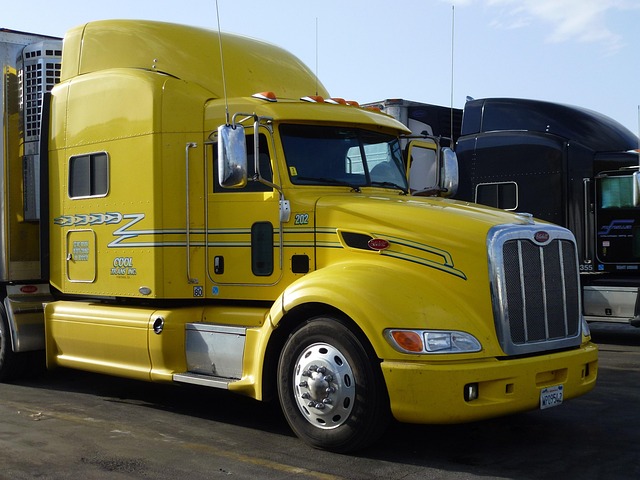
Upon completing your California vehicle registration application at the DMV, you’ll receive a temporary registration permit. This is an important step in the process as it allows you to legally operate your vehicle while final checks are conducted on your paperwork. One crucial aspect of this process involves ensuring your Vehicle Identification Number (VIN) passes inspection. The DMV conducts rigorous VIN inspections to verify the authenticity and history of each vehicle. In some cases, especially for older models or vehicles with modifications, a mobile VIN inspection may be required. This service, often offered by authorized agents, facilitates the verification process by conducting the check at your convenience, whether it’s at home or during a test drive.
The next step is to receive your Registration Certificate and License Plate. Once your vehicle has passed all necessary inspections, including the DMV VIN verification, you can obtain these vital documents. The Registration Certificate serves as official proof of registration, while the License Plate identifies your vehicle on California roads. These plates are designed with advanced security features to prevent tampering and counterfeiting. It’s essential to display them prominently on your vehicle, both for legal compliance and to deter theft or fraud attempts.
Additionally, consider keeping a digital record of your Registration Certificate and VIN information. With the increasing prevalence of mobile apps and online services, storing these details securely can save time and effort in the event of loss or damage to the physical documents. This modern approach ensures that you’re always prepared and can quickly access your vehicle’s registration and verification details.
Registering a car in California involves several crucial steps, from preparing necessary documents to receiving your registration certificate and license plate. Key insights include the imperative need for accurate and complete documentation, such as proof of ownership and insurance. The process begins with a visit to the California DMV, where you’ll follow a detailed, step-by-step guide. A vital component is the dmv vin verification, ensuring your vehicle’s identity is confirmed. Completing the application and paying registration fees securely ensures compliance. By adhering to these steps, you not only fulfill legal requirements but also gain peace of mind knowing your vehicle is properly registered and insured. These practical next steps will empower you to confidently navigate the car registration process in California.