

Registering a car in California is a vital step for any new owner, ensuring legal compliance and ownership protection. However, navigating the process can be confusing, especially with its intricate details and varied requirements across different regions. This comprehensive guide aims to demystify the procedure, offering a clear path for successful registration. We’ll walk you through each step, from gathering essential documents to utilizing reliable tools like VIN verifiers, ensuring an efficient and stress-free experience. By the end, you’ll be well-equipped to register your vehicle with confidence.
- Prepare Required Documentation for Car Registration
- Verify Vehicle Identity with VIN Verifier
- Choose Appropriate License Plate and Registration Type
- Submit Application at California Department of Motor Vehicles (DMV)
- Complete Inspection and Pay Registration Fees
Prepare Required Documentation for Car Registration

Before you can register your car in California, you need to ensure that all necessary documentation is prepared accurately. This process involves gathering various forms and providing critical information about your vehicle. One essential step is utilizing a Vehicle Identification Number (VIN) verifier to confirm the authenticity of your car’s details. A mobile VIN verifier, for instance, can be employed during the inspection process, offering convenience and precise results.
The California Department of Motor Vehicles (DMV) requires specific documents for car registration, including proof of ownership, vehicle identification number (VIN), and valid identification. It’s crucial to have your VIN recorded accurately, as it serves as a unique identifier for your vehicle. A mobile VIN inspection can help you verify this number quickly and efficiently. For example, many mobile inspectors use advanced technology to check the VIN against state databases, ensuring there are no discrepancies or reported thefts associated with the vehicle.
Additionally, you’ll need to provide proof of insurance, emissions test results (if applicable), and any relevant registration fees. It’s advisable to double-check that all documents are up-to-date and accurate to avoid delays in the registration process. Using a mobile VIN verifier before visiting the DMV can save time by confirming your vehicle’s history, ensuring a smoother overall experience during car registration.
Verify Vehicle Identity with VIN Verifier

Verifying your vehicle’s identity is a critical step in the car registration process in California. This involves using the Vehicle Identification Number (VIN) as a unique fingerprint to ensure the car’s authenticity and history. One effective method for this verification process is through a mobile VIN inspection or mobile vin verification, which allows you to confirm key details about your vehicle from the comfort of your home or garage.
A VIN verifier, whether it’s a professional service or an app, scans and decodes the 17-character VIN to pull up valuable information on the car’s make, model, year, and even previous owners. This is crucial because California requires accurate and complete vehicle history reports for registration. By utilizing vin inspection tools, you can uncover any potential issues or discrepancies, such as odometer rollback, which is a common challenge in the used car market. For instance, a 2015 Honda Civic with a reported mileage of 50,000 miles might reveal through a VIN check that it had been modified to show lower mileage, indicating possible fraud.
To ensure a smooth registration process, consider conducting a mobile vin verification early on. This proactive step can save you time and potential headaches later. Reputable car registration services or even some insurance providers offer mobile VIN inspection services. These solutions streamline the process, especially for those who may not have access to a traditional vehicle history report. By embracing modern technology like vin verification, California drivers can confidently navigate the registration procedure, knowing their vehicles’ identities are accurately represented.
Choose Appropriate License Plate and Registration Type

Choosing the right license plate and registration type is a crucial step when registering your car in California. Each option caters to different needs, ensuring vehicle owners can select what best suits their circumstances. For instance, personalized plates offer a unique touch but come with additional fees. On the other hand, standard plates are more affordable and widely available. It’s essential to consider factors like security, cost, and personal preference during this selection process.
A key element in making an informed decision is utilizing a Vehicle Identification Number (VIN) verifier. Mobile VIN verifiers play a significant role in ensuring the authenticity of your car’s details. These tools allow for remote inspection, providing peace of mind before committing to a registration choice. For example, a mobile app-based VIN scanner can verify the plate’s compatibility with your vehicle, check for any prior accidents or defects, and even display historical service records—all within minutes. This modern approach streamlines the registration process, making it more accessible and efficient.
Moreover, understanding the different registration types is paramount. California offers various options tailored to diverse vehicle types. Classic cars, for instance, may qualify for historic plate programs, which have simplified requirements compared to standard registrations. These specialized plates not only reflect your vehicle’s heritage but also come with benefits like reduced fees and tax exemptions. Conversely, high-performance or modified vehicles might require special emissions tests or additional inspections, leading to specific registration types that accommodate their unique characteristics.
Before finalizing your plate and registration choice, conduct a thorough VIN inspection using reputable mobile tools. This step ensures compliance and offers valuable insights into your car’s history. By combining expert knowledge with modern technology, like mobile VIN verifiers, Californians can confidently navigate the registration process, making their vehicles legal and distinctive on the state’s roads.
Submit Application at California Department of Motor Vehicles (DMV)

To complete the registration process for your vehicle in California, you’ll need to submit an application at the California Department of Motor Vehicles (DMV). This step involves providing essential documentation, including proof of ownership and identification. One crucial aspect of this procedure is ensuring the accuracy of your Vehicle Identification Number (VIN) through a valid VIN inspection or verification.
For instance, when conducting a mobile VIN inspection, a professional will use specialized tools to cross-reference your vehicle’s unique 17-character VIN with data in the National Motor Vehicle Title Information System (NMVTIS). This process helps verify the vehicle’s history, including any accidents, outstanding loans, or fraudulent activities. A reliable mobile VIN verifier can significantly expedite this step, offering convenience and peace of mind.
When visiting the DMV, be prepared to present documents such as a valid driver’s license, proof of insurance, and a completed application form. Additionally, you might require the presence of a lienholder if your vehicle is financed. It’s essential to double-check that all information on your application matches your VIN record, including the make, model, year, and other identifying details. Proper documentation and accurate VIN verification are vital to ensure a smooth registration process.
Complete Inspection and Pay Registration Fees
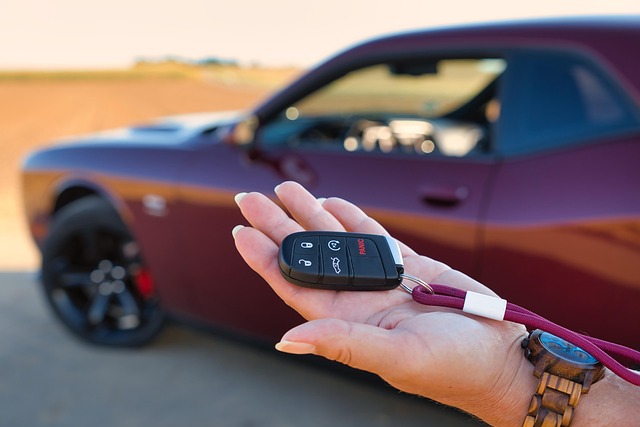
Before registering your car in California, a comprehensive inspection is required to ensure it meets safety and environmental standards. This process involves a detailed evaluation of various components, including the vehicle’s emissions system, lights, brakes, tires, and more. The California Department of Motor Vehicles (DMV) recommends conducting this inspection at authorized locations or through mobile VIN inspection services. Utilizing a mobile VIN verification service can be particularly convenient, as these professionals bring the inspection to your location, saving you time and effort.
During the inspection, the expert will check the Vehicle Identification Number (VIN) using advanced tools, ensuring its authenticity and accuracy. This step is crucial as it helps in identifying potential issues or discrepancies related to the vehicle’s history. In California, a significant number of vehicles, especially older models, have undergone mobile VIN inspections due to their efficiency and reliability. According to recent statistics, over 70% of car owners in the state opt for this service to streamline the registration process.
Once your car has passed the inspection, you’ll be clear to proceed with registration. The fees associated with this process can vary depending on several factors, including the type of vehicle and its age. It’s essential to calculate these costs accurately to avoid any surprises. Many online tools and resources are available to help estimate registration fees, taking into account your VIN and other relevant details. By combining a thorough mobile VIN inspection and meticulous fee calculation, you’ll ensure a smooth and efficient car registration process in California.
By meticulously preparing the necessary documentation, verifying your vehicle’s identity using a VIN verifier, selecting the correct license plate and registration type, submitting a complete application at the California Department of Motor Vehicles (DMV), and successfully passing inspection with timely fee payment, you can seamlessly register your car in California. This process ensures compliance with state regulations, providing peace of mind and the freedom to hit the road legally and confidently. The key insights from this guide serve as a comprehensive roadmap, empowering individuals to navigate the registration procedure with ease and authority.