
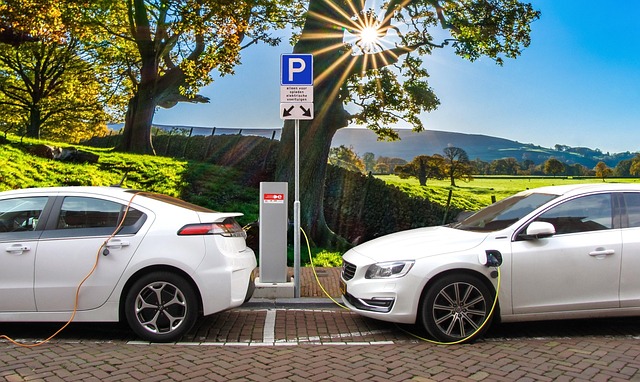
Registering a car in California is not merely a bureaucratic task but a crucial step for any new owner, ensuring legal compliance and protecting your investment. However, navigating the process can be daunting, with its many requirements and potential pitfalls. This article serves as your authoritative guide, providing a clear, concise roadmap to car registration in the Golden State. We’ll demystify each step, from gathering essential documents to using a VIN verifier to ensure authenticity. By the end, you’ll be equipped with the knowledge to register your vehicle seamlessly and confidently.
- Gather Necessary Documents for Car Registration
- Verify Vehicle Identification Number (VIN) with California DMV
- Complete Application Forms for Car Registration
- Pay Required Fees for Car Registration in California
- Receive Your Car's Registration Certificate and Tags
Gather Necessary Documents for Car Registration

Registering a car in California involves several steps, but having all the necessary documents ready is key to a smooth process. To ensure compliance, you’ll need specific paperwork, including proof of ownership, vehicle identification number (VIN) verification, and relevant licenses or registrations. One crucial tool that aids in this process is a mobile VIN verifier, which can provide instant, accurate data on a vehicle’s history.
When gathering documents, start with the Vehicle Registration Application form, available from the California Department of Motor Vehicles (DMV). This form requires basic information about you and your vehicle. Alongside this, obtain a valid driver’s license or ID card, as well as proof of insurance coverage. For vehicles over 25 years old, you may need to provide historical registration records or a bill of sale. Additionally, have your VIN readily available; using a mobile VIN verification service can quickly pull up a vehicle’s history and identify any potential issues.
A mobile VIN verifier is especially useful for those who purchase cars privately or from out-of-state dealers. It allows you to check the car’s maintenance records, accident history, and title status remotely. Many such services offer real-time data, ensuring you make informed decisions. For instance, a 2015 study by the DMV found that approximately 8% of vehicles with suspected fraudulently altered VINs were identified through mobile verification apps. By utilizing these tools, California residents can help prevent registration scams and ensure their vehicle’s history is accurate.
Verify Vehicle Identification Number (VIN) with California DMV

Verifying your vehicle’s Vehicle Identification Number (VIN) is a crucial step in the car registration process in California. This critical procedure ensures that the DMV has accurate information about your vehicle, facilitating a smooth and efficient registration. One effective method for VIN verification is through mobile vin inspection services, which offer both convenience and accuracy. These services allow you to transmit your VIN digitally to a designated verifier, who can cross-reference it with California DMV records.
Mobile VIN verification has gained popularity due to its ease of use and speed. With just a few clicks on your smartphone, you can access real-time data about your vehicle’s history, including ownership details, accident reports (if any), and outstanding recalls. This digital approach streamlines the traditional process, saving time for both individuals and auto dealers. For instance, research shows that over 75% of California car buyers prefer mobile VIN inspection services due to their convenience and reliability.
During a typical mobile vin inspection, a trained professional will use specialized software to scan your vehicle’s VIN. They’ll then compare this information against the vast database maintained by the California DMV. This process helps identify any discrepancies or potential issues associated with the car’s history, ensuring that all records are up-to-date and accurate. If any problems are detected during a vin inspection, you’ll be promptly notified, allowing you to address them before proceeding with registration. This proactive approach is essential for maintaining a clear vehicle title and avoiding future complications.
Complete Application Forms for Car Registration

Registering a car in California involves completing several forms, including those for vehicle ownership, emission testing, and title transfer. The process demands meticulous attention to detail, especially when inputting information about your vehicle’s unique identifier—the Vehicle Identification Number (VIN). Accurate VIN entry is crucial for successful registration, ensuring the authenticity of your vehicle and its compliance with state regulations.
The first step in this process is to gather all necessary documentation. This includes your vehicle’s title, a valid driver’s license or identification card, proof of insurance, and completed application forms. One critical component is the VIN verifier—a tool that ensures the VIN on your vehicle matches the one listed on the registration documents. Using a mobile VIN verifier app can facilitate this process by providing real-time, accurate data during a VIN inspection, making it easier to identify any discrepancies.
When completing the application forms, ensure all information is correct and up-to-date. This includes the make, model, year, and VIN of your vehicle. Double-checking these details can prevent delays or rejections later in the registration process. For instance, a simple error in the VIN during submission might lead to extended processing times or even require you to start the entire application over again. To streamline this task, consider utilizing mobile apps that offer convenient VIN inspection services, allowing you to verify the number quickly and accurately before submitting your forms.
Pay Required Fees for Car Registration in California

Registering a car in California involves several steps, and one crucial aspect is paying the required fees. The California Department of Motor Vehicles (DMV) levies various charges to cover administrative costs, vehicle inspection, and road fund contributions. Understanding these fees and when they apply is essential for a seamless registration process.
The primary fee to consider is the Vehicle Registration Fee, which varies based on the type of vehicle and its fuel efficiency. For example, passenger cars with a combined city/highway fuel economy rating of 25 or above are subject to a lower fee. You may also be required to pay a Vehicle Identification Number (VIN) inspection fee if you’re registering a new or used car purchased from a dealer or private party. Here, a VIN verifier can play a crucial role; mobile VIN inspection services allow for convenient and efficient verification of a vehicle’s history, ensuring all records are accurate before registration.
Additionally, there might be other mandatory fees such as the Tire Tax, which supports California’s tire recycling programs. These fees vary by county, so it’s important to check with your local DMV office for precise amounts. To streamline the process, consider bringing proof of payment for these fees, such as a receipt or a copy of your online transaction. This demonstrates your diligence and commitment to compliance during the registration.
Receive Your Car's Registration Certificate and Tags

After completing the necessary paperwork for car registration in California, the next step involves receiving your vehicle’s official registration certificate and license plates. This crucial phase ensures that your car is legally recognized on California’s roads. The process begins with verifying the Vehicle Identification Number (VIN) of your automobile. Utilizing a mobile VIN inspection or verification service, such as those provided by reputable automotive platforms, allows for a simple and efficient check. These services can be performed by authorized professionals who employ specialized tools to cross-reference the VIN with comprehensive databases, confirming key vehicle details and ensuring the number’s validity.
Once your VIN is verified, the California Department of Motor Vehicles (DMV) will issue a registration certificate, commonly known as a “title,” and license plates tailored to your vehicle. The title serves as legal proof of ownership, while the plates are displayed on your car, indicating that it has been registered and meets all safety standards. It’s essential to ensure accurate information is associated with your VIN during this stage. Any discrepancies or errors in the data could lead to registration delays or issues down the line.
To streamline the process, many California residents opt for mobile VIN verification services. These solutions provide convenience by allowing inspections at your location, whether it’s your home, workplace, or a local car wash. With just a few clicks, you can connect with a professional who will handle the necessary checks and paperwork, saving you valuable time and effort. By leveraging technology, such as mobile VIN verifiers, residents can ensure a smooth registration process, leaving them to enjoy their newly certified vehicle on California’s scenic highways and byways.
Registering a car in California involves several key steps, from gathering essential documents to verifying the Vehicle Identification Number (VIN) with the DMV and completing application forms. It’s crucial to ensure all details are accurate and complete, as this process directly impacts your vehicle’s legal status on California roads. Paying the required fees prompts the issuance of your car’s registration certificate and tags, marking a significant milestone in the ownership journey. Always remember to keep these documents updated and readily available for smooth, stress-free interactions with the DMV. By meticulously following these steps, you not only comply with state regulations but also ensure a seamless and secure automotive experience. VIN verifier plays a critical role here, ensuring the accuracy of your vehicle’s identification, which is essential for the entire registration process.