

Registering a car in California is more than just a bureaucratic task; it’s a crucial step towards legally operating your vehicle on state roads. However, navigating the process can be daunting due to complex regulations and varying requirements. This comprehensive guide aims to demystify the registration procedure, ensuring you’re well-prepared with all the necessary knowledge. From gathering essential documents to utilizing reliable resources like a VIN verifier, we’ll outline each step meticulously, empowering you to complete the registration process efficiently and accurately.
- Understand California Car Registration Requirements
- Gather Necessary Documents for Registration
- Perform a Vehicle History Report (VIN Verifier)
- Choose an Appropriate Registration Type and Fee Payment
- Submit Application and Receive Your Registration Certificate
Understand California Car Registration Requirements

In California, car registration is a critical process that ensures vehicles on the road meet safety and environmental standards. Before registering your vehicle, understanding the state’s specific requirements is essential. The California Department of Motor Vehicles (DMV) mandates several key steps for registration, including verifying the vehicle identification number (VIN). This verification process can be efficiently completed using a mobile VIN verifier, ensuring accuracy and convenience during the registration journey.
A unique VIN is a 17-character code that serves as a digital fingerprint for your car. It’s crucial for identifying specific make, model, year, and other vital details of a vehicle. When you’re preparing to register in California, a mobile VIN inspection becomes a practical necessity. This type of inspection allows you to confirm the authenticity of your car’s VIN using a smartphone app or online platform, which can be particularly useful if you’ve purchased a used vehicle. Several reputable mobile VIN verifiers are available, offering quick and reliable results by cross-referencing the provided VIN with authoritative databases.
Furthermore, California has specific guidelines regarding registration validity and renewal processes. It’s important to note that vehicles must pass an emission test or smog check to be registered, especially if they were manufactured before 1996. Additionally, owners must keep their vehicle’s registration up-to-date, renewing it on time to avoid penalties. For example, a late renewal fee of $25 applies for each month the registration is overdue, escalating after 30 days. By staying informed about these requirements and utilizing modern tools like mobile VIN verifiers, you can streamline the car registration process in California.
Gather Necessary Documents for Registration
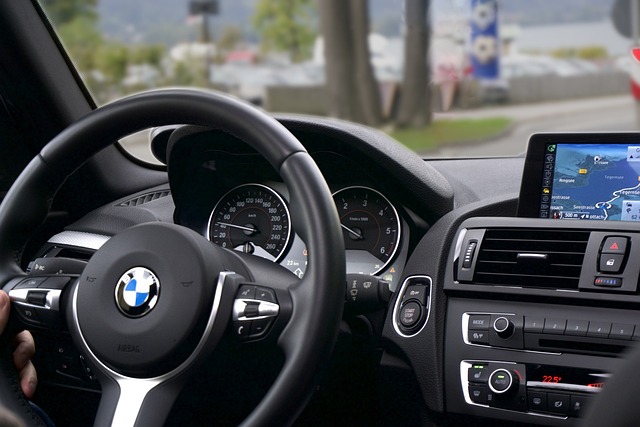
Registering a car in California involves several steps, but having the right documents ready is crucial for a smooth process. The first step requires gathering essential paperwork, which serves as proof of ownership and authenticity. Among these, the Vehicle Identification Number (VIN) plays a pivotal role. It’s a unique code that identifies your vehicle and is best verified through reliable methods like mobile VIN verification or using a trusted mobile VIN verifier app. This ensures accuracy and helps avoid potential issues during registration.
California requires specific documents for car registration, including the title certificate from the previous owner, a completed and signed Application for Title and Registration, and a valid driver’s license or identification card. For out-of-state vehicles, an Insurance Declaration Page and a Bill of Sale might be needed. It’s also wise to carry documentation related to any recent repairs or modifications, as these could impact registration requirements.
Using a mobile VIN verifier can aid in gathering this data effectively. Such apps provide a simple way to check a vehicle’s history, including ownership records, accident reports, and odometer readings. With the vast majority of California residents opting for digital registration processes, ensuring your documents are in order before heading to the DMV is a practical strategy. This proactive approach saves time and reduces potential delays during the registration process.
Perform a Vehicle History Report (VIN Verifier)

Before registering your car in California, conducting a thorough Vehicle History Report (VHR) using a reliable VIN verifier is an essential step that cannot be overlooked. The unique identifier provided by the Vehicle Identification Number (VIN) acts as a window into a vehicle’s past, revealing crucial information about its history and condition. In California, where vehicle registration is a meticulous process, ensuring the accuracy of your data is paramount. A reputable mobile VIN inspection service or a specialized vin verifier app can help you navigate this critical phase seamlessly.
A mobile VIN verifier facilitates a convenient and accurate check by providing real-time access to a vehicle’s VHR. This technology enables users to verify essential details such as accident history, odometer reading accuracy, and previous ownership records. For instance, a 2015 study by the California Department of Motor Vehicles (DMV) found that around 10% of registered vehicles had discrepancies in their reported mileage, underscoring the importance of proper verification. By employing a mobile vin inspection service, you gain immediate insights into potential red flags, ensuring your registration process stays on track.
Moreover, incorporating a mobile VIN verifier into your car registration checklist offers numerous benefits. It streamlines the preparation phase by providing readily available data for submission to the DMV. This efficiency is particularly valuable for those in remote areas or with busy schedules, as it eliminates the need for extensive paperwork and multiple visits. With the rise of online registration platforms, a comprehensive VHR becomes an indispensable tool, ensuring your vehicle’s history is accurately represented and potentially preventing future issues with California’s stringent registration regulations.
Choose an Appropriate Registration Type and Fee Payment

When registering a car in California, understanding your vehicle’s unique identification number (VIN) is crucial. The VIN verifier plays a critical role in this process, ensuring that the vehicle’s history is accurately represented to protect consumers and promote safety. Different registration types have varying requirements and associated fees. For instance, private individuals opting for a personal vehicle registration will pay different amounts compared to businesses registering multiple vehicles simultaneously. It’s essential to choose the appropriate registration category to avoid overpaying or missing out on necessary services.
California offers flexible options, especially with the advent of mobile VIN inspection and verification services. These innovative solutions allow owners to conduct a VIN check from the comfort of their homes or during busy schedules, eliminating the need for traditional, time-consuming visits to DMV offices. For instance, many mobile services can provide detailed vehicle history reports, including accident records, odometer readings, and previous ownership details, all through a smartphone app. Utilizing these modern tools can streamline the registration process, saving both time and money.
Proper VIN inspection is key to ensuring the accuracy of your car’s registration. It helps verify the authenticity of the vehicle and prevents fraud. Many California-based services provide mobile vin verification, allowing you to check your vehicle’s eligibility for registration swiftly. By combining these modern practices with the necessary documentation, such as proof of ownership and insurance, you can efficiently navigate the registration process, ensuring a smooth experience without unnecessary complications.
Submit Application and Receive Your Registration Certificate

After gathering all the required documents and ensuring your vehicle meets California’s safety standards, it’s time to submit your application for registration. This crucial step finalizes your car’s legal status in the state. You can choose between mail-in applications or completing the process at a DMV office. If you opt for the latter, be prepared with all necessary paperwork and identification documents.
Submitting your application involves filling out Form DV302, which requires accurate vehicle information, including your unique Vehicle Identification Number (VIN). Here’s where a mobile VIN verifier can prove invaluable. By utilizing these portable tools, you can quickly and accurately obtain a readout of your car’s history, ensuring the VIN on your registration matches the one associated with the vehicle. This is a critical step to prevent fraud and ensure everything is in order.
Upon submission, the DMV will conduct an inspection, which includes a verification of your VIN using a mobile VIN inspection tool if necessary. This process ensures compliance with California’s standards and helps maintain accurate records. Once approved, you’ll receive your Registration Certificate, a document that confirms your vehicle’s registration status in the state. Keep this certificate on hand as it’s required for various transactions, such as renewing your registration or transferring ownership.
Registering a car in California involves understanding key requirements, gathering essential documents, conducting a Vehicle History Report using a VIN verifier, selecting the right registration type and paying corresponding fees, and submitting an application to receive your registration certificate. By diligently navigating these steps, you ensure compliance with state regulations, protect your investment, and enjoy the seamless use of your vehicle in the Golden State. This comprehensive guide equips you with the knowledge needed to confidently complete the registration process, reaffirming the importance of staying informed and proactive when managing your automotive assets.