

Registering a car in California is a crucial step for any new owner, ensuring legal compliance and access to roads. However, navigating the process can be daunting, with its complex requirements and various agencies involved. This article serves as your authoritative guide, equipping you with the knowledge to smoothly navigate car registration, from gathering essential documents to utilizing tools like the DMV VIN verifier to verify critical information swiftly and accurately. By following these steps, you’ll confidently embark on your journey as a registered vehicle owner in California.
- Understand California Car Registration Requirements
- Gather Necessary Documents for Registration
- Visit a California DMV Location or Use Online Services
- Perform a Vehicle Identification Number (VIN) Verification
- Complete and Submit the Registration Application
Understand California Car Registration Requirements

To register a car in California, understanding the state’s specific requirements is crucial. The California Department of Motor Vehicles (DMV) has stringent guidelines for car registration, with a strong emphasis on vehicle identification number (VIN) accuracy and verification. One key aspect often overlooked is ensuring your car’s VIN is properly inspected and confirmed, a process that can be facilitated through mobile VIN verification services.
These services offer a convenient and reliable way to confirm your vehicle’s identity, which is essential for issuing a valid registration. A legitimate mobile VIN verifier uses advanced technology to cross-reference your car’s VIN against authoritative databases, ensuring its authenticity and history. This step is vital because California’s DMV prioritizes preventing fraud and ensuring the safety of registered vehicles. For instance, a 2021 report by the DMV highlighted a significant decrease in fraudulent registrations after the introduction of mandatory mobile VIN inspections for all new and transferred titles.
By opting for a mobile VIN verification service, you can streamline the registration process. These services often provide immediate results, allowing you to address any discrepancies before submitting your application. This proactive approach not only saves time but also reduces potential delays or rejections at the DMV. Remember, accurate VIN data is just one component of the broader registration requirements, which include proof of insurance, vehicle inspection, and necessary documentation for ownership transfer. Always consult official DMV resources or seek expert guidance to ensure a seamless car registration experience in California.
Gather Necessary Documents for Registration
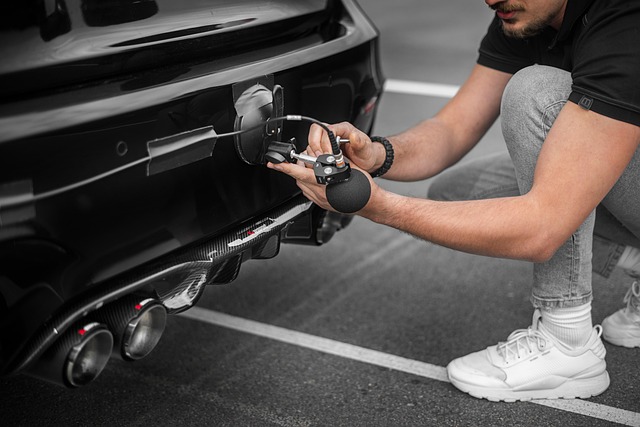
Before you begin the registration process for your vehicle in California, it’s crucial to gather all the necessary documents. The California Department of Motor Vehicles (DMV) requires specific paperwork to ensure a smooth and legal transaction. One critical step is to verify the Vehicle Identification Number (VIN), which can be done through a DMV VIN verifier or mobile VIN inspection services. These methods provide an additional layer of accuracy, ensuring that the vehicle matches the details on its registration documents.
For instance, when purchasing a used car, you’ll need to conduct a thorough VIN inspection to confirm the vehicle’s history and ensure it hasn’t been reported as stolen or had significant damage. Many mobile VIN verification services are now available, allowing you to complete this step conveniently from your home or even before visiting the DMV. These services use advanced technology to cross-reference the VIN with national databases, providing instant results that can save time and effort compared to traditional methods.
In addition to a valid VIN, other essential documents include proof of ownership (like a title or bill of sale), current registration papers from the previous state (if applying for a transfer), and valid identification such as a driver’s license or passport. It’s also advisable to bring any relevant repair records or maintenance logs, especially if there have been significant modifications made to the vehicle. Having these documents readily available will streamline the registration process at the DMV, so it’s best to prepare in advance to avoid delays.
Visit a California DMV Location or Use Online Services

Registering a car in California involves several steps, with two primary options for completion: visiting a local DMV office or utilizing online services. The former offers a more direct approach, allowing you to complete the registration process in-person and receive immediate feedback. Staff at these locations are equipped to handle any questions and ensure all documents are in order. However, waiting times can be significant during peak hours, so planning ahead is essential.
For those preferring a more convenient method, California’s DMV offers robust online services that streamline the registration process. This digital platform includes advanced features like the DMV VIN verifier, enabling users to verify vehicle identification numbers (VIN) for accuracy before initiating registration. Additionally, mobile vin inspection and verification services are available, providing an even quicker alternative for those with valid insurance and a digital copy of their vehicle’s registration. Online platforms typically offer more flexible scheduling and can save time for both new and existing California residents looking to register or update their vehicle information.
While online options are generally efficient, some may encounter challenges with technical difficulties or require additional documentation. Thus, having a backup plan, such as contacting a local DMV representative or gathering necessary documents in advance, is advisable. Ultimately, the choice between in-person and digital registration depends on personal preference, time constraints, and access to technology.
Perform a Vehicle Identification Number (VIN) Verification

Registration of a vehicle in California involves several meticulous steps to ensure compliance with state regulations. One critical component of this process is performing a Vehicle Identification Number (VIN) verification, which acts as a guardrail against fraud and ensures the car’s legitimacy. This step demands accuracy and often requires specialized tools like a DMV VIN verifier.
A DMV VIN verifier, including mobile vin verifiers and inspection services, plays a pivotal role in validating the vehicle’s history and specifications. These tools cross-reference the unique VIN with comprehensive databases to uncover crucial information such as ownership records, accident histories, outstanding recalls, and potential fraud. For instance, a simple scan can reveal if the car has been reported stolen or if its odometer has been tampered with, both of which are illegal practices. California’s Department of Motor Vehicles (DMV) emphasizes this step, reminding applicants that an accurate VIN verification is non-negotiable to issue registration and license plate permits.
When using a mobile vin verifier, drivers benefit from the convenience of on-site inspections. This approach saves time and avoids potential delays in the registration process. Moreover, it offers a layer of protection against unscrupulous sellers or buyers who might attempt to conceal vehicle issues through fraudulent documentation. By integrating mobile vin verification into their practices, DMVs enhance the integrity of their records and protect California’s road users from unsafe vehicles. This meticulous approach ensures that every registered car meets safety standards and legal requirements.
Complete and Submit the Registration Application

To register your car in California, you’ll need to complete and submit a Registration Application at a DMV office or online through their secure portal. The application requires various details about your vehicle, including its make, model, year, and unique Vehicle Identification Number (VIN). This process ensures that every vehicle on California roads is accurately documented and taxed. One crucial step in this process involves using a DMV VIN verifier to confirm the vehicle’s identity and history.
For instance, when conducting a mobile VIN inspection or verification service, you can validate the VIN accuracy and check for any brand-specific recalls or issues. This step is vital as it safeguards both the consumer and the state by ensuring that no stolen vehicles are registered. Additionally, it helps prevent the registration of vehicles with outstanding safety issues or legal deficiencies. Some DMV locations offer on-site mobile vin inspection services to streamline the process, especially for busy individuals or those with limited mobility.
When submitting your application, ensure all information is correct and up-to-date. Inaccurate data can lead to delays or even rejection of your registration request. It’s advisable to double-check the VIN using a reliable online tool or by consulting with a DMV representative, especially when dealing with classic cars or vehicles that have undergone significant modifications. This meticulous approach ensures a smooth registration process and helps maintain California’s robust vehicle management system.
By meticulously following California’s car registration process, outlined in this comprehensive guide, you can ensure a smooth experience. Key takeaways include understanding state requirements, gathering essential documents, and correctly completing applications. Utilizing a DMV VIN verifier during the verification step is crucial for accuracy. Confidently navigate the process by organizing your paperwork, visiting a DMV location or using online services, and double-checking all information. This article equips you with the knowledge to register your vehicle efficiently and legally in California.