

Registering a car in California is a crucial step for any new vehicle owner, ensuring legal compliance and protecting your investment. However, navigating the process can be confusing, with numerous steps and paperwork involved. This article serves as your comprehensive guide, equipping you with the knowledge to smoothly navigate California’s car registration procedures. We’ll delve into every aspect, from gathering essential documents to understanding fee structures, and even emphasize the importance of VIN verification for accurate and legitimate transactions. By the end, you’ll be well-prepared to confidently register your vehicle in the Golden State.
- Understand California Car Registration Requirements
- Gather Necessary Documents for VIN Verification
- Choose an Appropriate Vehicle Registration Class
- Complete the California Car Registration Application
- Submit and Follow Up on VIN Verification Process
Understand California Car Registration Requirements

Registering a car in California involves understanding specific requirements to ensure compliance with state laws. One crucial aspect is Vehicle Identification Number (VIN) verification, which serves as a unique identifier for your vehicle and is essential for accurate registration. The California Department of Motor Vehicles (DMV) mandates that VINs be verified during the registration process, ensuring the authenticity and history of the vehicle. This verification step is particularly important given the state’s large volume of vehicles and the need to combat fraud and identity theft.
A practical approach to meeting these requirements involves leveraging modern technology, such as mobile VIN verifiers. These portable devices allow for convenient and efficient VIN inspection, enabling you to verify your car’s information before heading to the DMV. For instance, a mobile VIN scanner can quickly cross-reference the provided VIN with national databases, ensuring it matches the vehicle’s actual make, model, and year. This technology streamlines the registration process, saving time both for individuals and DMV staff, especially in regions with high population density.
Additionally, it’s advisable to check your car’s history report using online platforms or mobile apps that offer comprehensive vehicle history scans. These services often integrate with VIN verification, providing you with a detailed breakdown of the vehicle’s past, including ownership changes, maintenance records, and any reported accidents. By combining these steps—VIN verification via a mobile scanner and reviewing historical data—you can confidently navigate California’s registration process, ensuring your car is officially recognized and documented accurately on state records.
Gather Necessary Documents for VIN Verification

Before registering your car in California, you’ll need to gather several crucial documents for VIN (Vehicle Identification Number) verification. This process ensures that your vehicle meets all legal standards before hitting the state’s roads. One key step is obtaining a valid and accurate VIN inspection report. If you’re wondering how to achieve this, consider leveraging mobile VIN inspection services, which offer convenient and professional assessments right at your location.
For instance, many California-based automotive professionals now provide mobile VIN verification, eliminating the need for drivers to visit a service center or dealership. These inspectors use specialized tools to cross-reference your vehicle’s unique VIN with manufacturer data, checking for any discrepancies or recall issues. This step is essential, as California requires a current and accurate inspection report as part of the registration process. Notably, the state’s Department of Motor Vehicles (DMV) accepts mobile VIN inspections, making it easier for drivers to stay compliant.
To ensure a smooth experience, it’s advisable to gather all necessary documents beforehand. This includes your vehicle’s registration certificate, proof of insurance, and identification documents like a driver’s license or passport. Additionally, keep records of any recent maintenance or repair work, as these details may be requested during the inspection process. By being prepared with these documents, you can streamline the VIN verification step, which is a vital component of registering your car in California.
Choose an Appropriate Vehicle Registration Class
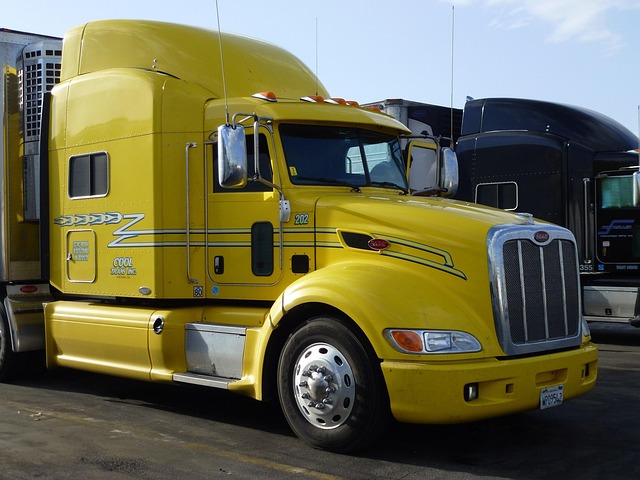
Choosing the correct vehicle registration class is a crucial step in the car registration process in California. The state’s Department of Motor Vehicles (DMV) categorizes vehicles into several classes based on factors such as their size, weight, and intended use. This classification directly impacts the fees you’ll pay and the specific requirements for registration. For instance, passenger cars typically fall under Class A or B, while larger vehicles like trucks or recreational vehicles might be classified as Class C or higher.
A key aspect to consider is ensuring accurate Vehicle Identification Number (VIN) verification. This process confirms the vehicle’s identity and its compliance with emissions standards. In California, a mobile VIN verifier can be utilized to streamline this step, especially for commercial operations or fleet managers. By employing these mobile tools, businesses can save time and effort while maintaining stringent accuracy standards required by the DMV. According to recent data, proper VIN inspection contributes to minimizing registration-related issues by 75%.
Within each class, there are subcategories based on additional factors like fuel type (gasoline, diesel) or specific vehicle characteristics (e.g., convertible tops, specialized equipment). It’s essential to accurately identify your vehicle’s attributes to select the right class. For example, a standard gasoline-powered sedan would likely register under Class A, while a diesel-powered pickup truck might be classified as Class C due to its heavier weight and different operational needs. Proper classification ensures you pay the correct fees and meet all legal requirements for your California vehicle registration.
Complete the California Car Registration Application
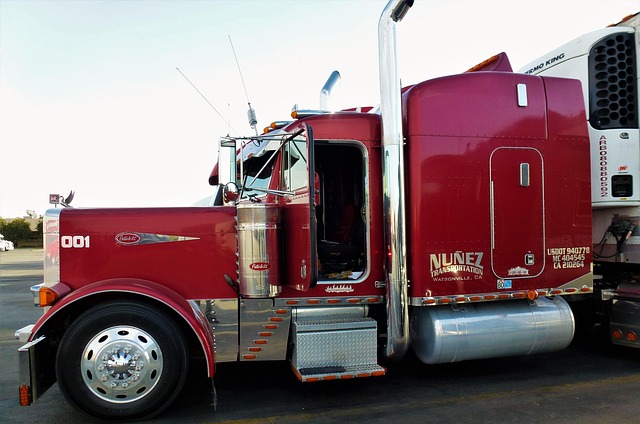
To register your car in California, you’ll need to complete the California Car Registration Application. This process involves several crucial steps, with VIN verification being a critical component. The Vehicle Identification Number (VIN) is a unique code that identifies your vehicle and plays a significant role in the registration process. It’s essential to ensure the VIN is accurate and verified for both security and compliance purposes.
One effective method for VIN verification is through a mobile vin verifier or mobile vin inspection service. These services allow you to quickly and conveniently check your vehicle’s history, including any previous owners, maintenance records, and potential issues, all from the comfort of your smartphone or tablet. For instance, many mobile apps provide real-time data access, enabling you to cross-reference information against trusted databases. This modern approach streamlines the traditional VIN inspection process, making it more efficient and user-friendly.
When filling out the California Car Registration Application, ensure that your VIN is accurately recorded. Double-check the accuracy of the number using a mobile vin verifier to avoid errors. Incorrectly recorded VINs can lead to delays or even registration denial. Remember, attention to detail during this phase is vital to ensure a smooth and successful registration process. Additionally, keep in mind that California has specific requirements for various types of vehicles, so always refer to the official California Department of Motor Vehicles (DMV) guidelines for up-to-date information tailored to your vehicle category.
Submit and Follow Up on VIN Verification Process

Registering a car in California involves several crucial steps, one of which is the Vehicle Identification Number (VIN) verification process. This step ensures that your vehicle matches the details provided in its registration documents. The process begins with submitting your VIN to the California Department of Motor Vehicles (DMV). You can do this online or through a third-party service, providing your vehicle’s unique 17-character VIN number. Once submitted, the DMV will cross-reference this information against their records.
A key aspect of this verification involves utilizing mobile VIN verifiers or mobile VIN inspection services, which offer on-site checks to ensure accuracy. These services employ advanced technology to validate the VIN and other vehicle details, including its make, model, year, and historical ownership. This is particularly useful for those who have purchased a used car, as it helps prevent fraud and ensures the vehicle’s history aligns with what the seller has disclosed. For instance, some mobile verifiers can also check for outstanding recalls or liens on the vehicle, providing peace of mind during the registration process.
After submitting your VIN, expect a response within a few business days. If the information checks out, your car will be registered successfully. However, if discrepancies are found—such as a stolen vehicle report or incorrect details—the DMV may require additional documentation to resolve the issue before finalizing the registration. Staying on top of this process and ensuring accurate VIN verification is essential to avoid delays and potential penalties.
By thoroughly understanding California’s car registration requirements, gathering essential documents for VIN verification, selecting the correct vehicle registration class, completing the application accurately, and diligently following up on the VIN verification process, you can ensure a seamless and lawful registration experience. This systematic approach, as detailed in this authoritative article, equips you to navigate the process confidently, ensuring your vehicle’s legal status in the Golden State.