

Registering a car in California is a vital step for any new or existing vehicle owner. It ensures your vehicle is legally operable on public roads and entitles you to key benefits like insurance, title protection, and access to state services. However, navigating the process can be complex, with numerous requirements and steps involved. This article serves as your comprehensive guide, offering expert insights into every phase of car registration in California, including the crucial DMV VIN verification process. By following these detailed instructions, you’ll ensure a smooth and stress-free experience.
- Gather Necessary Documents for Car Registration
- Prepare Your Vehicle for DMV Inspection: Step-by-Step
- Complete the California Car Registration Application Form
- Submit the Application and Pass DMV VIN Verification
- Obtain Your California Vehicle Registration and Tags
Gather Necessary Documents for Car Registration

To register your car in California, you’ll need to gather several key documents, one of which is crucial for verifying the vehicle’s identity—the Vehicle Identification Number (VIN). The California Department of Motor Vehicles (DMV) requires a VIN verification process to ensure the car’s authenticity and prevent fraud. This involves obtaining an accurate and official VIN from your vehicle and providing it during the registration application.
A common and efficient method for gathering these documents is through the use of mobile VIN verifiers. These tools allow you to quickly and accurately capture your car’s VIN by scanning the vehicle’s label, typically located on the driver’s side door frame or the engine block. Many mobile apps and services offer this functionality, streamlining the process. For instance, some mobile VIN inspectors provide instant reports, ensuring you have all the necessary data before visiting the DMV. This modern approach saves time and effort compared to traditional methods of manual record-keeping.
Additionally, having a clear understanding of your car’s history is vital. Gather documents like the title, registration records, and insurance paperwork from previous owners if applicable. These records can be useful when proving ownership and maintaining a clean title during the registration process. It’s also beneficial to check with local laws and regulations, as California may have specific requirements for certain vehicle types or ages. By proactively gathering these necessary documents, you’ll ensure a smoother car registration experience.
Prepare Your Vehicle for DMV Inspection: Step-by-Step

Before you can register your car in California, your vehicle must pass a DMV inspection. This process verifies that your car meets safety and emissions standards set by the state. Here’s a step-by-step guide to prepare your vehicle for this critical inspection, ensuring a smooth registration experience.
First, ensure your car is mechanically sound. All essential systems, including brakes, lights, wipers, and signals, should function properly. Check that your tires have adequate tread depth and proper pressure. Replace worn-out components like battery terminals, belts, and hoses to prevent failures during the inspection. A well-maintained vehicle not only passes inspections but also drives safer and more efficiently.
Next, obtain a mobile VIN verifier or ensure your car is equipped with the necessary tools for a manual verification. The California DMV requires a Vehicle Identification Number (VIN) check to trace vehicle history and confirm authenticity. A mobile VIN verifier can perform this check quickly and conveniently at your location. These tools compare your car’s VIN against national databases, revealing any reported accidents, odometer rollback, or other issues that might affect registration. Using a mobile VIN inspection service can save you time and effort, as it eliminates the need to visit a DMV office.
Finally, gather all necessary documents before heading to the DMV. This includes your vehicle’s registration papers, proof of insurance, and valid identification. For classic or vintage vehicles, additional documentation may be required, so consult the DMV guidelines beforehand. Remember, a thorough preparation process can prevent potential delays and complications during the car registration procedure in California.
Complete the California Car Registration Application Form
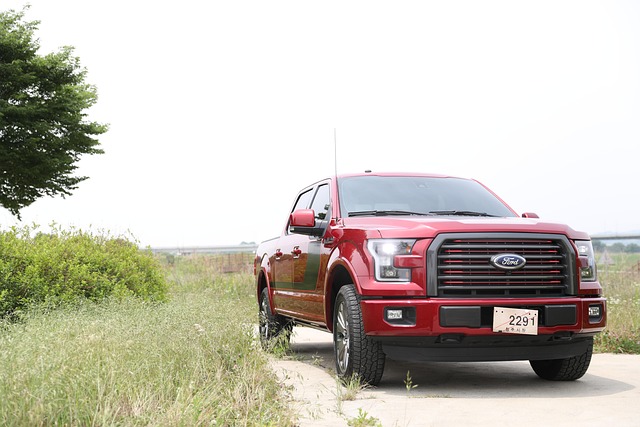
To register your car in California, you’ll need to complete the California Car Registration Application Form (DMV Form SR-175). This form is a crucial component of the registration process and requires precise information about your vehicle. Begin by gathering all necessary details, including your personal information, vehicle specifications, and proof of insurance. Ensure accuracy during data entry, as any discrepancies may lead to delays or issues with DMV VIN verification.
The application form includes sections for identifying your vehicle, such as the make, model, year, and vehicle identification number (VIN). Here’s where a mobile VIN inspection or verifier can be invaluable. These tools enable you to swiftly and accurately capture your car’s VIN, reducing potential errors. For instance, some mobile apps allow you to take a photo of the VIN plate and then automatically extract the VIN data. This modern approach streamlines the process, especially if you’re registering an older vehicle with hard-to-read markings.
Fill out the form completely, double-checking each entry. Remember that incomplete or incorrect information can cause delays. Once your application is ready, submit it along with required documents, including proof of ownership and insurance. The DMV will then conduct a VIN inspection (if not done already) to verify the vehicle’s details against their records. This verification step ensures that your car meets all legal standards before issuing a registration certificate.
Submit the Application and Pass DMV VIN Verification
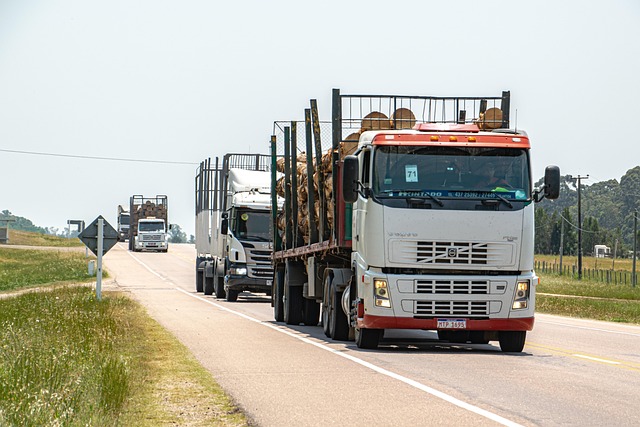
Submitting your application and passing DMV VIN verification is a crucial step in registering your car in California. Once you’ve gathered all necessary documents—including proof of insurance, ownership transfer, and vehicle identification number (VIN) details—it’s time to present them at a local Department of Motor Vehicles (DMV) office or, for added convenience, utilize their mobile VIN verification service. This process involves a thorough inspection of your vehicle’s VIN, ensuring its accuracy and matching it against the information on record.
For those who prefer a more streamlined approach, the DMV offers mobile VIN inspection services, allowing you to verify your car’s VIN from the comfort of your home or workplace. A trained specialist will remotely access your vehicle’s VIN through various methods, including OBD-II port scanning and digital plate readers, providing immediate feedback on its validity. This innovative service is particularly beneficial for those with busy schedules or limited mobility.
During the vin inspection process, a DMV examiner will cross-reference the provided VIN with their records to ensure it corresponds to the registered vehicle. This step is essential to maintain the integrity of California’s vehicle registration system. If any discrepancies are found—such as a mismatched VIN or outstanding issues related to the vehicle—you’ll be notified and required to address them before completing the registration process. By proactively ensuring your DMV VIN verification passes with flying colors, you set the stage for a smooth and efficient car registration experience.
Obtain Your California Vehicle Registration and Tags

Registering a car in California involves several steps, but obtaining your California vehicle registration and tags is a crucial part of the process. Once you’ve gathered all necessary documents and ensured your vehicle meets state requirements, the next step is to visit or contact the Department of Motor Vehicles (DMV). In California, this process can be streamlined by utilizing their online services or scheduling an appointment for a personalized experience.
To facilitate this process, consider using a mobile VIN inspection service. These services allow you to verify your vehicle’s history and ensure its compliance with California’s regulations directly from your smartphone. A mobile VIN verifier can check important details like the vehicle’s age, previous owners, and whether it has been reported stolen or has outstanding titles—all of which are essential for accurate registration. For instance, a study by the DMV found that nearly 1 in 5 vehicles brought in for inspection had discrepancies in their history, highlighting the importance of thorough VIN inspections.
During your interaction with the DMV, you’ll need to present proof of identification, ownership, and insurance. Additionally, you can expect to pay relevant fees, which vary based on your vehicle’s type and age. After successfully completing this stage, you’ll be issued a California registration certificate and license plate stickers. It’s advisable to keep these documents in your vehicle at all times for easy verification during traffic stops or when selling your car. Regularly renewing your registration ensures uninterrupted use of your vehicle and avoids potential fines or legal issues.
Registering a car in California involves several key steps, as detailed in this comprehensive guide. By gathering all necessary documents, preparing your vehicle for inspection, completing the registration application form, and successfully passing DMV VIN verification, you can obtain your California vehicle registration and tags. These steps ensure not only legal compliance but also provide peace of mind, knowing your vehicle is officially recognized by the state. Moving forward, remember to keep your documentation up-to-date and familiarize yourself with ongoing requirements to maintain a valid registration, ensuring a smooth driving experience in the Golden State.