

Registering a car in California is more than just a bureaucratic task; it’s a crucial step to ensure safe and legal operation on state roads. However, navigating the process can be challenging, given the strict regulations and paperwork involved. This comprehensive guide aims to demystify the car registration journey, providing clear instructions and expert insights. We’ll walk you through every step, from gathering essential documents to utilizing reliable tools like the DMV VIN verifier, ensuring a seamless and stress-free experience.
- Prepare Necessary Documents for Car Registration
- Visit California DMV: Step-by-Step Guide
- Verify Vehicle Identity with DMV VIN Verifier
- Pay Registration Fees and Taxes Online or In-Person
- Update Insurance Information to Complete Process
Prepare Necessary Documents for Car Registration

Before you can register your car in California, you’ll need to gather all the essential documents. This process is crucial for ensuring your vehicle complies with state regulations. One critical step is obtaining a valid Vehicle Identification Number (VIN) inspection, which verifies the authenticity of your car’s details. In California, this often involves using a DMV VIN verifier or a mobile VIN verification service. These tools help cross-reference your VIN with official databases to confirm the vehicle’s history and specifications.
For instance, many online platforms and mobile apps offer remote VIN inspections, allowing you to input your VIN and receive immediate results. This is particularly convenient as it saves time compared to traditional methods of visiting a dealership or specialized inspection station. The data collected during this process includes the car’s make, model, year, mileage, and previous ownership history. It’s vital to ensure all information aligns with what’s recorded on the vehicle’s title and registration documents.
Additionally, you’ll need to gather other essential paperwork such as proof of insurance, a valid driver’s license, and perhaps even evidence of sales tax payment or a bill of sale if applicable. These documents streamline the registration process at the California Department of Motor Vehicles (DMV). Remember, having accurate and up-to-date information is key to a smooth car registration experience, so always double-check your details before proceeding.
Visit California DMV: Step-by-Step Guide

To register your car in California, a trip to the Department of Motor Vehicles (DMV) is an essential step. The process involves several checks and verifications to ensure vehicle safety and identity. One crucial tool they utilize is a DMV VIN verifier, which cross-references the Vehicle Identification Number (VIN) against their records to confirm the vehicle’s history and ensure it meets all legal standards before issuing a registration.
Upon arrival at the DMV, locate the designated window for vehicle registration. An agent will guide you through the process, which begins with verifying your identity using valid documentation such as a driver’s license and proof of residency. Next, they’ll request your vehicle’s VIN. Here’s where a mobile VIN verification can be beneficial; some third-party apps allow you to quickly and easily obtain this information directly from your vehicle’s computer system. However, if you prefer the traditional method, the DMV offers a physical inspection using their VIN verifier. This tool scans and cross-references your VIN against state databases to check for any outstanding issues or recalls.
If your vehicle passes the initial checks, the agent will proceed with processing your registration. They’ll calculate the registration fee based on your vehicle’s type and age, and you’ll need to provide proof of insurance. Once all required documents are in order, you’ll receive your new registration cards, ensuring your vehicle is legally registered and ready for California roads. Remember, maintaining accurate records, whether through a mobile VIN verifier or the DMV’s physical inspection, is crucial for smooth future transactions and safety checks.
Verify Vehicle Identity with DMV VIN Verifier

Verifying the identity of your vehicle is a crucial step in the car registration process in California, ensuring that you’re legally owning and operating a specific make and model. This is where the DMV VIN Verifier plays a pivotal role. The California Department of Motor Vehicles (DMV) offers a specialized tool for this purpose—a mobile vin verifier that allows you to confirm your vehicle’s authenticity right from the comfort of your home or a nearby service station.
The process involves inputting your Vehicle Identification Number (VIN) into the DMV’s online system or using their mobile application, which then cross-references the data with their records. This inspection ensures that the VIN is genuine and matches the details of the vehicle in question. It’s an efficient way to prevent fraud and ensure accuracy during registration. For instance, a recent study by the California DMV revealed that about 2% of vehicles attempted to be registered had discrepancies in their VINS, underscoring the importance of such verification methods.
When using a mobile vin verifier, ensure you have your vehicle’s VIN readily available—it’s typically located on the dashboard near the driver’s side door or under the hood. Some mobile verifiers may also require additional information like your license plate number for a comprehensive check. This step is not just a formality; it protects both you as the owner and the DMV from potential issues down the line, such as insurance claims or legal complications related to stolen vehicles. Always opt for official channels for vin inspection to ensure the legitimacy of the process.
Pay Registration Fees and Taxes Online or In-Person
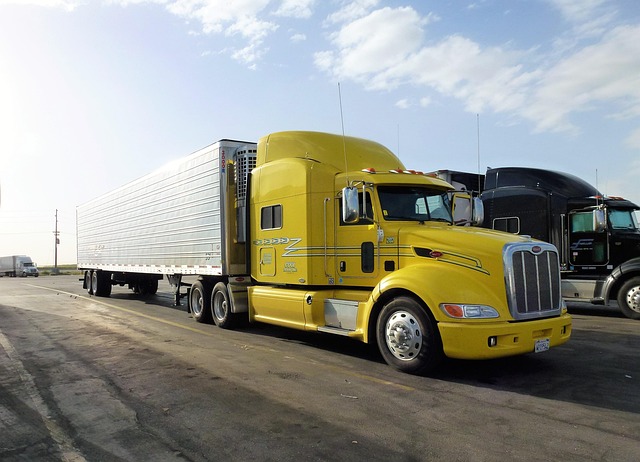
Registering a car in California involves several steps, and one crucial aspect is paying the registration fees and taxes. You can choose between conducting this process online or visiting a DMV (Department of Motor Vehicles) office in person. Online payment offers the convenience of completing the task from the comfort of your home, while in-person transactions provide an opportunity for immediate verification and documentation.
California’s DMV provides a user-friendly platform for online registration, allowing drivers to pay fees using a credit or debit card. This method streamlines the process, especially for those with valid registrations up for renewal. The website guides users through each step, ensuring accuracy during the transaction. Alternatively, visiting a local DMV office is ideal for those who prefer face-to-face interaction or require assistance with complex matters. Staffed by experts, these offices can perform a VIN (Vehicle Identification Number) inspection using a DMV vin verifier to confirm the vehicle’s details and ensure it meets all legal standards before processing the registration.
For instance, when renewing your registration, you can save time by utilizing a mobile vin inspection service that checks your VIN and retrieves essential information remotely. This modern approach aligns with California’s commitment to efficient, digital services. However, in-person visits are still necessary for specific scenarios, such as registering a recently purchased vehicle or addressing unique circumstances that require manual verification.
Update Insurance Information to Complete Process

Updating your insurance information is a crucial step in completing the car registration process in California. This involves ensuring that your Vehicle Identification Number (VIN) is accurately linked to your insurance policy, which can be done efficiently through various methods offered by the Department of Motor Vehicles (DMV) and third-party services. One convenient option is utilizing a DMV VIN verifier, either online or via mobile app, where you can input your VIN to verify its status and check for any outstanding issues before proceeding with registration.
For those who prefer a more hands-on approach, scheduling a mobile vin inspection is another viable solution. Certified inspectors will physically inspect your vehicle and confirm the validity of your VIN, ensuring it matches the data in their system. This method is particularly useful if you’ve recently purchased a used car or if there’s been a change in ownership. It provides immediate peace of mind and guarantees that your registration process won’t be hindered by discrepancies in your VIN record.
It’s essential to keep accurate records of all insurance-related documentation, including policy numbers and effective dates. Additionally, stay informed about any updates or changes in California’s registration requirements regarding VIN verification. By being proactive in updating your insurance information and using reliable tools like a DMV VIN verifier or mobile vin inspection service, you can streamline the car registration process, ensuring a smooth and stress-free experience.
Registering a car in California involves several key steps, from preparing necessary documents to updating insurance information. By meticulously following these processes, you ensure a smooth and compliant vehicle registration. The article highlights crucial aspects like gathering all required paperwork, utilizing the DMV VIN Verifier for accurate vehicle identity verification, and settling relevant fees and taxes. These practical steps empower you to navigate the car registration process with confidence. Leveraging resources such as the DMV VIN Verifier streamlines verification, making it easier to complete your registration promptly. Armed with this knowledge, you’re now equipped to register your vehicle efficiently and compliantly in California.