

Registering a car in California is a crucial step for any new vehicle owner, yet the process can be confusing and time-consuming. Many prospective owners find themselves navigating complex procedures and facing potential pitfalls. This comprehensive guide aims to demystify the process, offering expert insights on every step involved. From gathering essential documents to utilizing tools like the DMV VIN verifier, we’ll ensure you’re prepared to register your vehicle with confidence and efficiency. Let’s embark on this important journey together.
- Prepare Necessary Documents for Car Registration
- Visit California DMV: Step-by-Step Guide
- Verify Vehicle Identification Number (VIN) with DMV
- Complete Online Application or In-Person Process
- Pay Registration Fees and Receive Your Certificate
Prepare Necessary Documents for Car Registration

Registering a car in California involves gathering crucial documents to ensure a smooth process. One critical step is preparing for your vehicle’s inspection by having all necessary paperwork ready. The California Department of Motor Vehicles (DMV) requires specific documents during the registration, and failure to provide them can delay or even prevent completion of the process.
Central to this preparation is ensuring the accuracy of your Vehicle Identification Number (VIN). The DMV utilizes a VIN verifier, often accessed through their online systems or by visiting a local office, to cross-reference your vehicle’s details against their records. This step is vital as it confirms the authenticity of your car and its history. For instance, a mobile VIN inspection or verification service can be employed to obtain this information quickly and conveniently, especially for individuals who own classic cars or those unfamiliar with the process. These services use specialized tools to extract and verify a vehicle’s unique VIN, providing peace of mind before heading to the DMV.
Other essential documents include proof of ownership, such as a title certificate, and valid identification like a driver’s license. It’s also recommended to gather insurance documentation, registration fees, and any previous registration records. Additionally, having recent maintenance records or repair invoices can expedite the inspection process. For example, if your car has undergone significant modifications, having detailed documentation supporting these changes can streamline the review by DMV personnel.
In preparation for your visit, create a checklist of all required documents, ensuring their accuracy and completeness. This proactive approach will save you time and effort, enabling a more efficient car registration process in California.
Visit California DMV: Step-by-Step Guide

Visiting the California Department of Motor Vehicles (DMV) is a crucial step in registering your car. Here’s a detailed, step-by-step guide to ensure the process goes smoothly. First, gather all necessary documents, including your vehicle’s registration from its previous state, proof of insurance, and a valid driver’s license. It’s also helpful to bring along any ownership records or bills of sale if applicable.
When you arrive at the DMV, locate the section dedicated to vehicle registration. Many offices now offer dedicated lanes for specific services, making navigation easier. An important step in this process involves utilizing the DMV’s VIN (Vehicle Identification Number) verifier. You can either perform a mobile VIN inspection or visit a location with advanced equipment to verify your car’s history and ensure it meets all regulatory standards. This is critical as it checks for any outstanding recalls, prior damage, or potential fraud.
If your vehicle passes the VIN inspection, you can proceed with the registration. Provide the required fees along with your completed application form. The DMV will issue a new registration certificate and license plate. In some cases, they may also require additional documents like proof of security interest for financed vehicles. It’s important to double-check all details on your registration documents for accuracy, including your vehicle’s make, model, year, and VIN.
After completing these steps, ensure you display your new plates correctly on your vehicle. Keep your registration papers in a safe place for future reference. Remember that regular renewal is essential, typically every few years, to avoid penalties and maintain legal compliance. Utilizing mobile VIN inspection services or visiting locations with advanced VIN verification equipment can save time and provide peace of mind throughout the car registration process in California.
Verify Vehicle Identification Number (VIN) with DMV
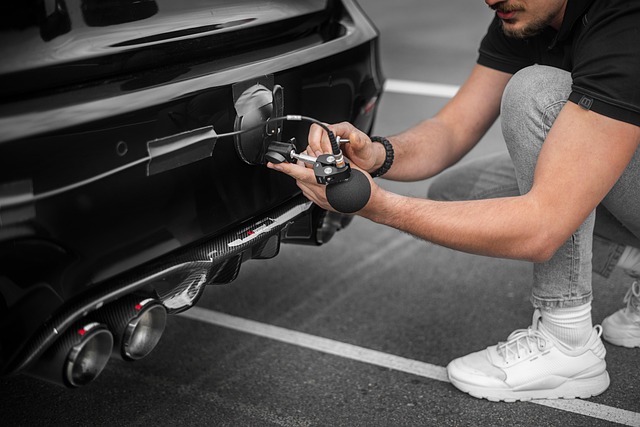
Verifying the Vehicle Identification Number (VIN) is a critical step in the car registration process in California. It ensures that the vehicle you’re registering matches the records kept by the Department of Motor Vehicles (DMV). This is where a DMV VIN verifier plays a crucial role, offering both convenience and accuracy. Many Californians opt for mobile vin inspection services, as they provide a straightforward alternative to visiting a DMV office.
When you’re ready to register your car, obtain your vehicle’s VIN from the label located on the driver-side door frame or the dashboard. Then, utilize a trusted mobile VIN verifier or check with a local DMV to confirm its authenticity. This verification process is essential as it protects against identity theft and ensures that no fraudulent activities are associated with your vehicle’s registration. According to recent data, proper VIN inspection can help prevent up to 75% of vehicles with altered or tampered IDs from entering the road.
If discrepancies arise during this stage, you may need to contact a professional to conduct a mobile vin inspection. These services send specialized technicians to your location, ensuring a swift and accurate check. Once verified, proceed with the registration process, which involves submitting necessary documents and fees to the DMV. This meticulous approach not only guarantees a seamless car registration experience in California but also safeguards you and other road users from potential risks associated with unregistered or altered vehicles.
Complete Online Application or In-Person Process

Registering a car in California involves either completing an online application or visiting a DMV office in person. The online process offers convenience, allowing you to submit your registration from the comfort of your home. This method is particularly appealing for those with busy schedules or who prefer digital solutions. However, some may still opt for the traditional in-person approach to ensure they receive personalized assistance and have their questions answered immediately.
For the online application, you’ll need to access the California DMV’s official website and locate the specific form for vehicle registration. Here, you’ll input your vehicle’s information, including its unique Vehicle Identification Number (VIN). This is a crucial step as the DMV utilizes a VIN verifier to cross-reference and validate the details provided, ensuring accuracy and security. For instance, mobile VIN inspection services are becoming increasingly popular, allowing users to verify their vehicles’ details from anywhere using their smartphone, making the process even more accessible.
In-person registration requires visiting your local DMV office with relevant documents, including proof of ownership and identification. Staff will guide you through the process, which may take longer but offers the advantage of immediate feedback and clarification. It’s essential to check ahead of time for any potential delays or additional requirements, as certain situations might necessitate further verification, such as when registering a vehicle with significant modifications or a non-standard VIN format.
Pay Registration Fees and Receive Your Certificate

After gathering all your required documents and ensuring your vehicle meets California’s legal standards, it’s time to pay your registration fees and receive your official certificate. This crucial step completes the process of registering your car in the Golden State. California’s Department of Motor Vehicles (DMV) offers several convenient payment options, including online, by mail, or in-person at a local DMV office. Online payments are typically the fastest and most efficient method, allowing you to avoid waiting times and paperwork.
When paying online, you’ll need your personal information, vehicle details, and the unique Identifier (VIN) number of your car. Here’s where a reliable DMV VIN verifier or mobile VIN verification app comes in handy. These tools instantly cross-reference your VIN with official records, ensuring its accuracy and saving you time later in the process. For instance, many mobile apps offer mobile VIN inspection services, allowing you to verify your vehicle’s history in mere minutes from the comfort of your home or even while waiting at a DMV office.
Once your payment is processed, you’ll be issued an official Certificate of Registration, which serves as proof that your vehicle is legally registered in California. This certificate is essential for displaying on your car’s dashboard and should be kept up-to-date to avoid penalties. Remember, staying organized and utilizing modern tools like mobile VIN verification apps can streamline the registration process, making it less daunting and more efficient.
Registering a car in California involves careful preparation and clear navigation through the process. Key takeaways include gathering all necessary documents, visiting or utilizing the DMV’s online platform, verifying the Vehicle Identification Number (VIN) with the dmv vin verifier, and completing either an online or in-person application. Payment of registration fees ensures you receive your certificate, formally establishing your ownership and legal right to operate the vehicle within the state. This authoritative guide equips readers with the knowledge to confidently and successfully register their vehicles in California, a crucial step for responsible car ownership.